
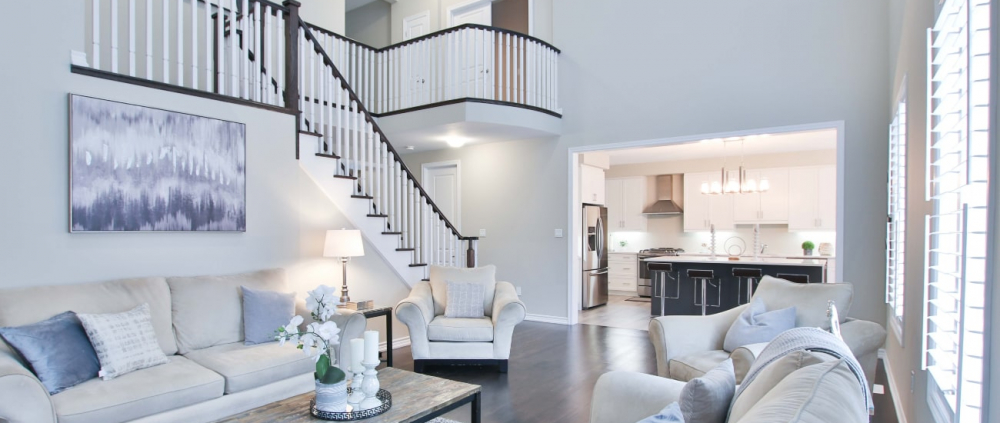
An intelligent building represents a modern approach to residential automation, integrating all home devices into a unified network. This system coordinates heating, ventilation, lighting, motion sensors, and security cameras to optimize device usage. Residents can monitor and control all operations through their smartphone or a wall-mounted display in their home or office.
Peace of Mind and Comfort
Smart building technology creates a welcoming environment upon arrival. The system can automatically activate lighting, play preferred music, and ensure proper air circulation. Additional features include automated curtain adjustments and intelligent heating control that responds to natural sunlight, allowing residents to set their desired temperature while the system maintains it.
Lower Energy Consumption Lowers Your Living Costs
Coordinated heating and cooling systems reduce overall energy expenditure. Temperature sensors strategically placed in rooms and on floors enable the system to activate heating only when necessary. When residents leave, they can reduce heating to minimum levels, simultaneously turning off lights and lowering ventilation speeds, creating significant savings.
Safe and Secure
Video intercom systems provide visual verification of visitors through both wall-mounted screens and mobile devices. This feature enables residents to safely grant door access remotely, proving particularly useful for delivery services. Residents can unlock doors from anywhere, eliminating concerns about missed deliveries.
An Overview of Your Energy Consumption Helps You Plan Your Energy Usage
The building's interface displays real-time consumption data for heating, electricity, and water. According to research, "a person adjusts his consumption by 15-20% if he has a constant overview" of their energy patterns. The system automatically transmits monthly readings to administrators, reducing manual tracking requirements.
Better-Quality Sleep and Performance in Rooms with Fresh Air
Indoor air quality significantly impacts cognitive function, concentration, and overall health. CO2 sensors automatically adjust ventilation speeds to maintain optimal oxygen levels, addressing concerns about virus transmission in poorly ventilated spaces. This automated approach proves especially valuable for households with multiple occupants studying or working remotely.